
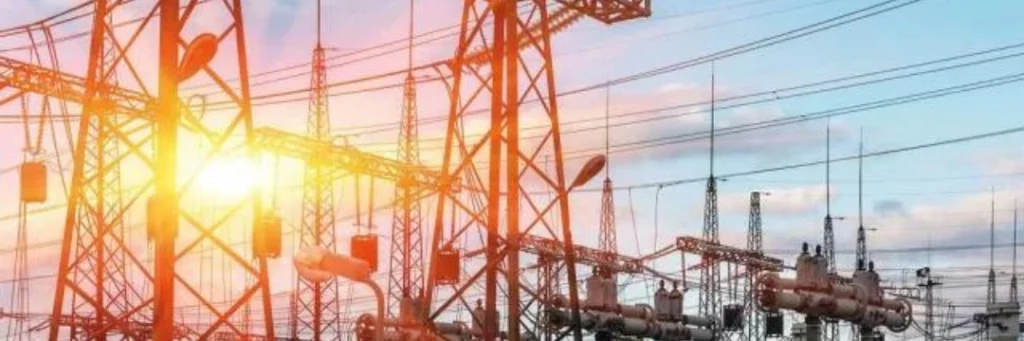
Bangladesh is facing a 2000 MW load shedding crisis due to financial mismanagement and heavy reliance on imported fuel, leaving the government unable to secure enough primary fuel for power plants. Despite having the capacity to generate 24,000 MW, the country is currently producing only 10,500 MW, leading to a significant shortfall. The reliance on imported energy requires $5.7 billion annually, with major debts owed to power producers and energy suppliers. Rising costs, including electricity generation costs jumping to Tk11 per unit in FY 2022-23, have outpaced sales prices, further straining finances. Local coal production remains underdeveloped, with most coal-based plants relying on costly imports. Expensive deals, such as with Adani for imported coal power and Beximco’s delayed solar project, have added to the financial burden. Additionally, the gas crisis has worsened due to limited local production and costly LNG imports. The government has shut down diesel power plants, but expensive furnace oil plants continue to operate, increasing costs. These challenges stem from overreliance on imports, underinvestment in local fuel production, and costly, unnecessary power deals.
BIZDATAINSIGHTS
Bizdata Insights is a Market Insights, Data Intelligence and Business Advisory Platform
Our Solutions
Menu
Newsletter
Sign up for our newsletter now by entering your e-mail address and never miss out on the latest news and updates from our team!