
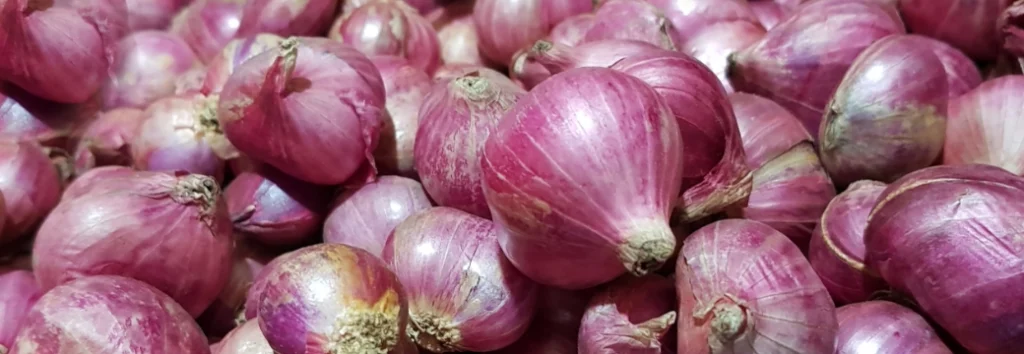
Farmers Face 30% Post-Harvest Losses in Onion Production

Industry: Agriculture & Livestock, Agro

Farmers in Bangladesh face significant post-harvest losses, particularly in onion production, with an estimated waste of 30% from 35 lakh tonnes annually, resulting in a shortfall of 600,000 to 700,000 tonnes. One farmer reported losing 200 maunds of onions, costing over Tk 6 lakh due to inadequate storage and damage during harvest. The food ministry’s 2021 study highlighted that paddy losses range from 23% to 28%, with 14.02% occurring at the farmers’ level. Losses in horticultural crops vary widely, including mangoes at 31.7% and potatoes at 21.8%. The country’s food imports amounted to $8.25 billion in 2022-23, with onion imports from India alone costing $180 million. Food wastage at the household level averages 82 kg annually per household, significantly higher than in some neighboring countries. The UN estimates that global food waste generates 8-10% of greenhouse gas emissions. Despite some initiatives to improve storage, agricultural economists call for a comprehensive national strategy to tackle food loss and promote agro-processing to meet market demands. Small and medium enterprises could enhance processing capacity but face challenges in accessing bank loans and ensuring food safety.

Source for more details:

Related News

Farmers Bear the Most Risk in Agri Chain

May 22, 2025

A recent Bangladesh Bank study reveals that farmers are the primary risk-takers in the agricultural value chain, especially for essential items like rice, potatoes, onions, eggs, and broiler chicken. Conducted across 14 districts, the study attributes price increases mainly to supply shortfalls caused by seasonal factors, reduced cultivation areas, floods, and pest attacks. Unlike intermediaries who secure fixed margins, farmers face fluctuating profits or losses depending on market conditions.

Maize Output Hits 68.84 Lakh Tonnes In FY2023–24

May 21, 2025

In FY2023–24, Bangladesh produced 68.84 lakh tonnes of maize from 6.42 lakh hectares, with FY2024–25 targets set at 71.60 lakh tonnes from 6.51 lakh hectares. Despite high yields of 35–45 maunds per bigha (1 maund ≈ 37 kg), farmers in districts like Lalmonirhat and Rangpur face falling prices—now Tk 28–29 per kg, down by Tk 2–3 from last year—while production costs rose to Tk 11–13 per kg or Tk 14,000–16,000 per bigha.

Tea Exports Surge 58% in 2024

May 13, 2025

Bangladesh's tea exports jumped 57.55% in 2024, reaching 2.45 million kilograms and generating Tk45.96 crore in revenue. This marks a strong recovery from previous years when export volumes had dropped below 1 million kgs.

NAC Bets on Nano Fertilisers and Exports for Growth

April 20, 2025

National AgriCare (NAC), a leading Bangladeshi agrochemical and seed company, plans to invest Tk400 crore across agro, pharmaceuticals, seeds, food, and pesticides by 2027, creating 2,000 new jobs. Tk180 crore will go to its pharmaceutical division, One Pharma, which aims to expand medicine exports to 10 new countries, including Algeria.

Agri Loan Disbursement Falls 6.6%

April 7, 2025

After interest rates were liberalized in May 2024, agricultural loan rates surged to 15–18%, up from a previous cap of 8%, resulting in a notable decline in disbursements. In the first eight months of the current fiscal year, banks disbursed Tk 22,126 crore in agricultural loans, which is Tk 1,565 crore or 6.60% less than the same period last year.

Women-Led SMEs Boost Bangladesh’s Poultry Sector

March 9, 2025

The expansion of women-led SMEs is strengthening Bangladesh’s poultry industry by boosting employment, production, and market competitiveness. On International Women's Day 2025, the Bangladesh Poultry Industries Central Council (BPICC) and the US Soybean Export Council (USSEC) highlighted the need to support women entrepreneurs and ensure adequate nutrition for their sustained contributions.

Related News

Farmers Bear the Most Risk in Agri Chain

May 22, 2025

A recent Bangladesh Bank study reveals that farmers are the primary risk-takers in the agricultural value chain, especially for essential items like rice, potatoes, onions, eggs, and broiler chicken. Conducted across 14 districts, the study attributes price increases mainly to supply shortfalls caused by seasonal factors, reduced cultivation areas, floods, and pest attacks. Unlike intermediaries who secure fixed margins, farmers face fluctuating profits or losses depending on market conditions.

Maize Output Hits 68.84 Lakh Tonnes In FY2023–24

May 21, 2025

In FY2023–24, Bangladesh produced 68.84 lakh tonnes of maize from 6.42 lakh hectares, with FY2024–25 targets set at 71.60 lakh tonnes from 6.51 lakh hectares. Despite high yields of 35–45 maunds per bigha (1 maund ≈ 37 kg), farmers in districts like Lalmonirhat and Rangpur face falling prices—now Tk 28–29 per kg, down by Tk 2–3 from last year—while production costs rose to Tk 11–13 per kg or Tk 14,000–16,000 per bigha.

Tea Exports Surge 58% in 2024

May 13, 2025

Bangladesh's tea exports jumped 57.55% in 2024, reaching 2.45 million kilograms and generating Tk45.96 crore in revenue. This marks a strong recovery from previous years when export volumes had dropped below 1 million kgs.

NAC Bets on Nano Fertilisers and Exports for Growth

April 20, 2025

National AgriCare (NAC), a leading Bangladeshi agrochemical and seed company, plans to invest Tk400 crore across agro, pharmaceuticals, seeds, food, and pesticides by 2027, creating 2,000 new jobs. Tk180 crore will go to its pharmaceutical division, One Pharma, which aims to expand medicine exports to 10 new countries, including Algeria.

Agri Loan Disbursement Falls 6.6%

April 7, 2025

After interest rates were liberalized in May 2024, agricultural loan rates surged to 15–18%, up from a previous cap of 8%, resulting in a notable decline in disbursements. In the first eight months of the current fiscal year, banks disbursed Tk 22,126 crore in agricultural loans, which is Tk 1,565 crore or 6.60% less than the same period last year.

Women-Led SMEs Boost Bangladesh’s Poultry Sector

March 9, 2025

The expansion of women-led SMEs is strengthening Bangladesh’s poultry industry by boosting employment, production, and market competitiveness. On International Women's Day 2025, the Bangladesh Poultry Industries Central Council (BPICC) and the US Soybean Export Council (USSEC) highlighted the need to support women entrepreneurs and ensure adequate nutrition for their sustained contributions.

BUSINESSMONITOR

Connect with


Dont Have Account? Please register Here