
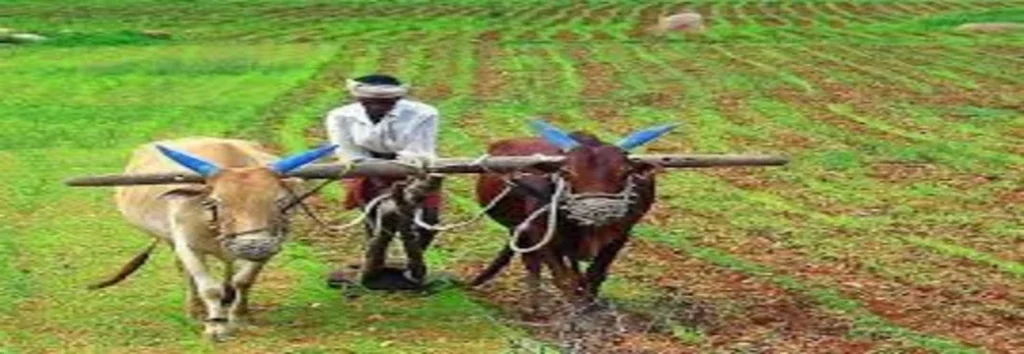
Bangladesh’s agricultural startups face significant challenges, primarily due to a lack of funding and investor interest, despite the sector’s vast economic potential. Financial institutions often regard agriculture as high-risk, forcing startups to rely on seed funding and early-stage capital. The agriculture sector, valued at around $40 billion and employing over 40% of the labor force, is increasingly threatened by climate change impacts like flash floods and erratic rainfall, which further discourage investment. Startups such as foshol.com illustrate these struggles by operating a B2B model that connects farmers directly with wholesalers; it has raised $1 million in pre-seed funding. Other notable players include iFarmer, which offers financing and agricultural consultations, and WeGro, an agri-fintech platform linking farmers with individual investors.
Modernization efforts are hindered by traditional practices and limited access to finance and quality inputs. While 46% of rural households own smartphones, indicating some technological adoption, the agricultural startup ecosystem remains underdeveloped. Some farmers, like Abu Sayed, have benefited; he secured a contract with foshol.com after successfully selling his capsicum harvest. Overall, despite the sector’s potential, issues like financial mismanagement continue to undermine investor confidence in Bangladesh’s agricultural startups.