
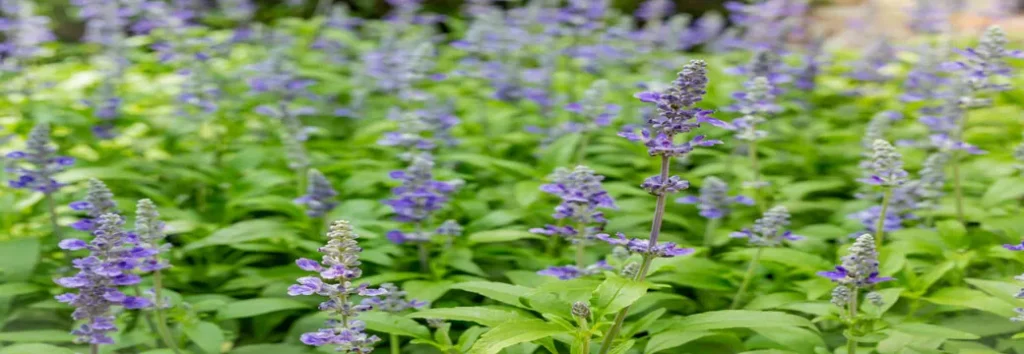
Indigo farming, once a symbol of British colonialism, is making a numerical resurgence in Bangladesh. Local farmers in Rangpur and Nilphamari are cultivating the plant, referred to as “Malgas.” With about 720 farmers tending to around 1,000 bighas of land, they aim to produce 3,000 kilograms of indigo leaves per acre, selling for approximately Tk 5 per kilogram. Each kilogram of dye production costs between Tk 3,000 to Tk 3,500, while the dye is sold for Tk 5,000 to Tk 8,000 per kilogram, depending on quality.
This resurgence in indigo farming holds significant potential for Bangladesh to tap into a multi-million-dollar business, especially as global demand for non-toxic, eco-friendly natural dyes increases. Bangladesh aims to compete with major dye exporters like India, China, Vietnam, and El Salvador, potentially saving foreign currency on dye imports while boosting local employment and income.