
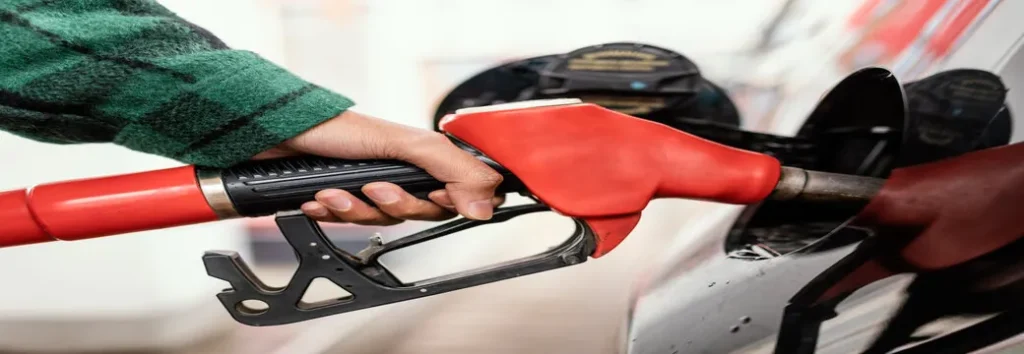
The government has decided against raising fuel oil prices this year (2023), despite a commitment to implement an automated pricing formula with the IMF, beginning in September 2023. This decision is linked to the impending general elections. If global market prices decline, the government has a plan to reduce fuel prices, which could benefit consumers dealing with ongoing inflation.
Last year, massive fuel price hikes of 42.5% for diesel and 51% for petrol helped the Bangladesh Petroleum Corporation (BPC) earn enough to pay fuel import bills without government subsidies. The state-owned oil monopoly has also nearly cleared its dues to international oil suppliers, overcoming delays caused by banks’ reluctance to process import transactions due to a dollar shortage. Bangladesh’s fuel demand primarily relies on diesel (70%), while petrol accounts for 6.50%, octane 6%, kerosene 1%, furnace oil 8.50%, and jet fuel 6.25%. The country imports about 80-85% of its refined fuel demand.