
Exporters Struggle with Taka Devaluation Impact

Economic Tag: Export, Trade

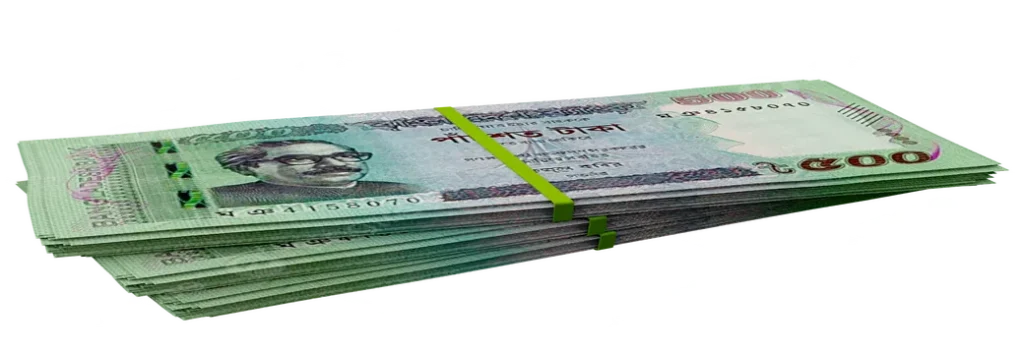
Exporters are struggling to fully capitalize on the devaluation of the taka against the US dollar due to ongoing inflationary pressures and rising production costs. Recent data indicates that the taka has depreciated by approximately 28%, with the official exchange rate at Tk 110.50 per US dollar for imports and Tk 110 for exports.

While the devaluation initially made Bangladeshi exports more competitive, elevated inflation (around 9 percent) and surging production expenses have eroded much of the gains. Raw material, transport, and fuel prices have increased nearly 100 percent each.

However, there has been a 71 percent increase in local value addition over the past year, as manufacturers use locally-sourced raw materials to meet quicker delivery demands. Despite the challenges, exporters continue to accept lower-priced orders to maintain competitiveness. The devaluation has enhanced their negotiation power, even though costs have risen.

Source for more details:

Related News

India Exported $1.6 Billion Cotton Yarn In 2024

May 6, 2025

Following Bangladesh’s decision to ban yarn imports via five land ports—Benapole, Bhomra, Sonamasjid, Banglabandha, and Burimari, which previously handled 30% of India’s yarn exports—Indian producers are shifting toward waterways and sea routes.

Govt Forms FTZ Committee April 2025

May 4, 2025

Bangladesh has formed a national committee, led by the commerce adviser and Beza’s executive chairman, to evaluate the feasibility of establishing Free Trade Zones (FTZs), as announced on April 21, 2025. This move follows the Bangladesh Investment Summit (April 7–10), where attracting foreign investment, boosting exports, and creating jobs were key topics.

RMG Exports to EU Jump 37% Despite Price Pressure

April 28, 2025

Bangladesh’s readymade garment (RMG) exports to the European Union (EU) soared by nearly 37% year-on-year to $3.69 billion in January–February 2025, supported by a 39% rise in shipment volumes. Despite this impressive growth, average unit prices fell by 1.46%, reflecting ongoing profitability challenges.

High Tariffs Threaten Export Competitiveness

April 27, 2025

Bangladesh’s high import tariffs-averaging over 27%, nearly triple the global average-have long sparked debate but little reform due to concerns over revenue loss. With the country set to graduate from Least Developed Country (LDC) status next year, experts and business leaders stress the urgent need for tariff rationalisation to maintain export competitiveness.

Jute Export Fee Hike Paused for Industry Review

April 23, 2025

The Bangladeshi government has suspended its recent decision to sharply increase export fees on raw jute and jute products after significant backlash from industry players. The fee for raw jute exports was set to rise from Tk 2 to Tk 7 per bale, and for jute products from Tk 0.10 to Tk 0.50 per Tk 100—marking a substantial jump after 30 years.

Apparel Exporters Face $250 Million Monthly Tariff Risk

April 20, 2025

Bangladesh’s apparel manufacturers warn that without a permanent removal of the 37% tariff on exports to the US, the sector will face an additional $250 million in duties each month, threatening the survival of about 1,000 factories. Industry leaders are urging the interim government to negotiate with the US for a complete and lasting tariff withdrawal.

BUSINESSMONITOR

Connect with


Dont Have Account? Please register Here