
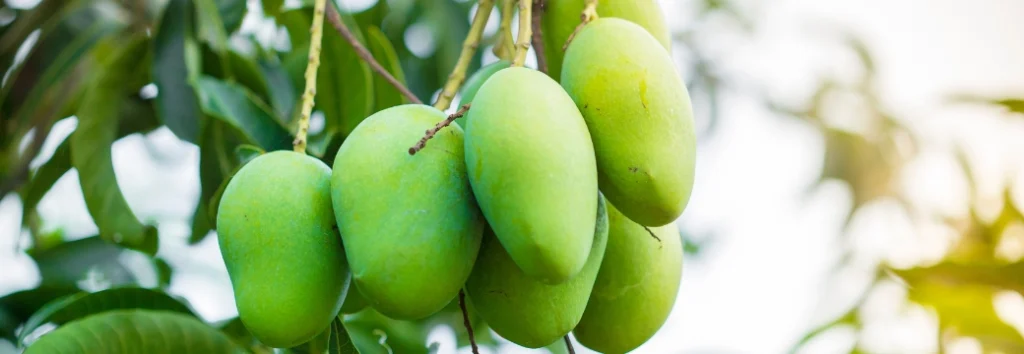
Chapainawabganj, renowned as the country’s mango capital, faces a potential fruit crisis due to a relentless heatwave. Mango cultivation, already impacted by lower yields this year, is further threatened as intense heat causes immature mangoes to drop from trees. Despite irrigation efforts and pesticide use, mangoes continue to fall, raising concerns about the district’s output. The initial setbacks included delayed mango bud emergence due to excessive cold, followed by untimely rains destroying many buds.
Now, the heatwave exacerbates the situation, with small mangoes drying up and falling prematurely. Some farmers have installed irrigation machines, but many lack resources to mitigate losses. Agricultural officials cite factors like fog, rain, and hailstorms damaging flowers, along with the ongoing heatwave. The district aims for 4,50,000 tonnes of mango production this season, compared to 4,43,625 tonnes last year, but achieving or exceeding this target is uncertain amidst the current crisis. This scenario underscores the vulnerability of agriculture to extreme weather and the need for climate-resilient practices.