
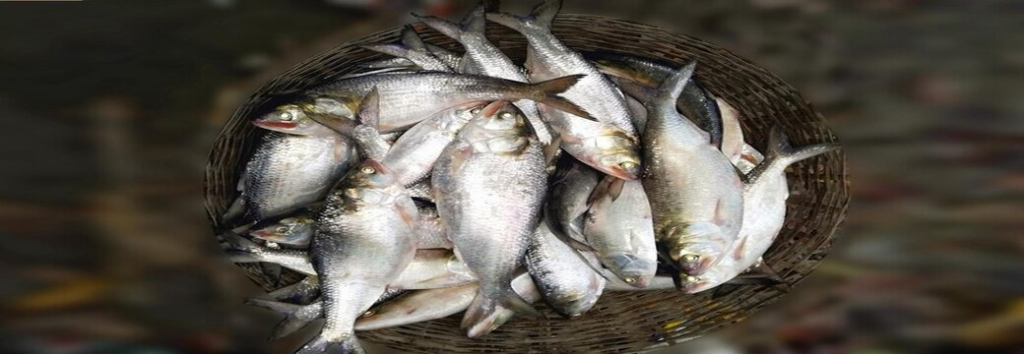
Hilsa fish exports from the Haur district of Sunamganj, Bangladesh, are witnessing a steady decline. Factors contributing to this decline include reduced domestic production, disruptions caused by the COVID-19 pandemic, the Russia-Ukraine conflict, and fluctuating international prices. In the fiscal year 2020-21, 340 tons of Hilsa fish were exported, valued at 150 million Bangladeshi Taka. In the following fiscal year 2021-22, 310 tons were exported, valued at 140 million Taka. However, in the current fiscal year 2022-23 (until September), only 258 tons have been exported, with a market value of 130 million Taka, marking a notable decrease in both quantity and value compared to previous years.
One of the primary challenges facing the Hilsa fish export industry is the inadequate electricity supply and limited industrial infrastructure in Sunamganj, hindering its competitiveness on the global stage. Additionally, the shortage of raw materials and non-competitive pricing compared to neighboring countries like India, Myanmar, and Thailand have further constrained the sector. The disruption in the natural breeding seasons of domestic fish, caused by climate change and water scarcity in the Haur region, has contributed to a decline in production.