
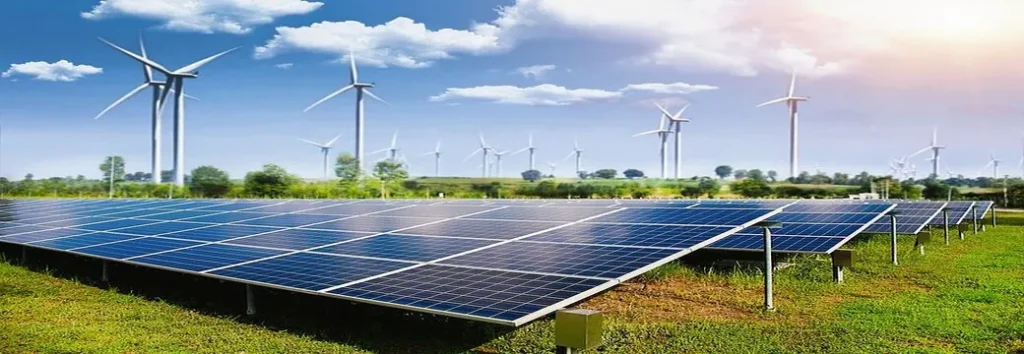
International Monetary Fund (IMF) has been pressuring the government to expand renewable energy generation as a means to reduce reliance on costly fossil fuels due to rising prices and foreign currency shortages. Earlier in 2023, Bangladesh secured a $4.7 billion loan from the IMF, with a significant portion allocated to building climate resilience and reducing fossil fuel dependence.
The government has made commitments to limit subsidies on fossil-fuel-based energy during the loan program. Bangladesh aims to reduce greenhouse gas emissions, with targets including scaling up renewable energy, promoting electric vehicles, enhancing energy efficiency, and reducing emissions from agriculture and forestry. They also plan to generate at least 40% of total electricity from renewables by 2041 and are pushing for the mandatory installation of rooftop solar systems to meet these objectives.