
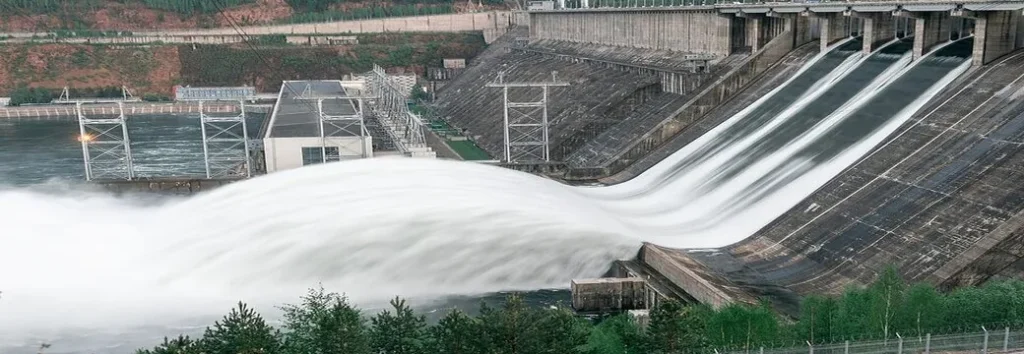
Bangladesh’s Karnaphuli Hydropower Station, with a capacity of 230MW, is currently operating at only 13% to 26% capacity during the rainy season. From March to April, its electricity generation dropped to 25MW but has increased to 60-70MW this month (July). The station’s control room data shows that only one unit has been operational, with occasional closures due to low water levels.
The power plant has the potential to produce as much as 200MW if water flow increases. However, decreasing rainfall, attributed to climate change, has resulted in reduced water flow for the Kaptai Lake reservoir. The aging equipment and technical issues have further hindered the station’s efficiency. Efforts to renovate and upgrade the equipment have faced delays due to bureaucratic complications. The expansion of the hydropower plant is uncertain, as objections from local communities and water scarcity pose challenges. These factors impact both power generation and water transportation in the region.