
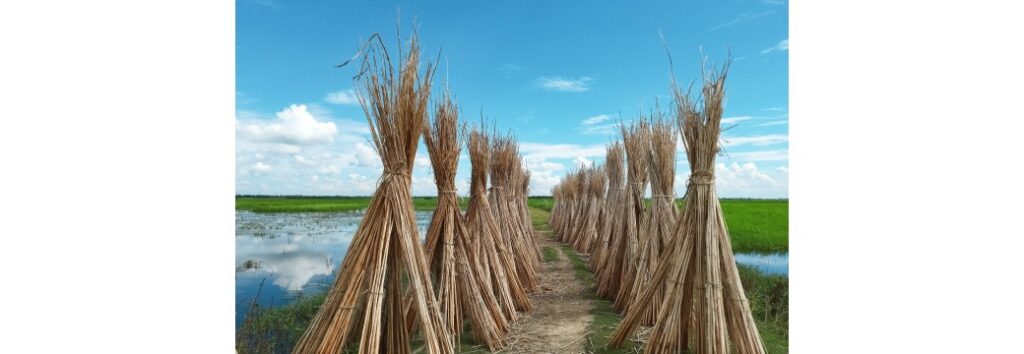
Jute growers in Faridpur and Rajbari are facing concerns due to lower-than-usual rainfall during the monsoon season, impacting water availability for retting, an essential process in jute production. These districts, known for jute cultivation, are major contributors to the country’s jute output. In the fiscal year 2022-2023, they produced over 12 lakh bales of jute combined, with expectations to reach similar figures this year.
However, the rainfall in the region has been below average, leading to a scarcity of water bodies required for retting. If the situation persists, there are fears of significant losses as proper retting is essential for extracting quality fibers. The shortage of water is also causing farmers to reuse the same water bodies, resulting in a loss of color and quality of the jute fibers, leading to lower prices in the market.
Authorities are attempting to support farmers by helping them create ditches for retting, but it is insufficient to address the problem. Some recommendations, such as adopting the ribbon retting method, which requires less water, have been suggested, but farmers are hesitant due to limited availability of jute sticks, which are in high demand.